Culturally Responsive Nutrition Care: Why Is It Important & Necessary
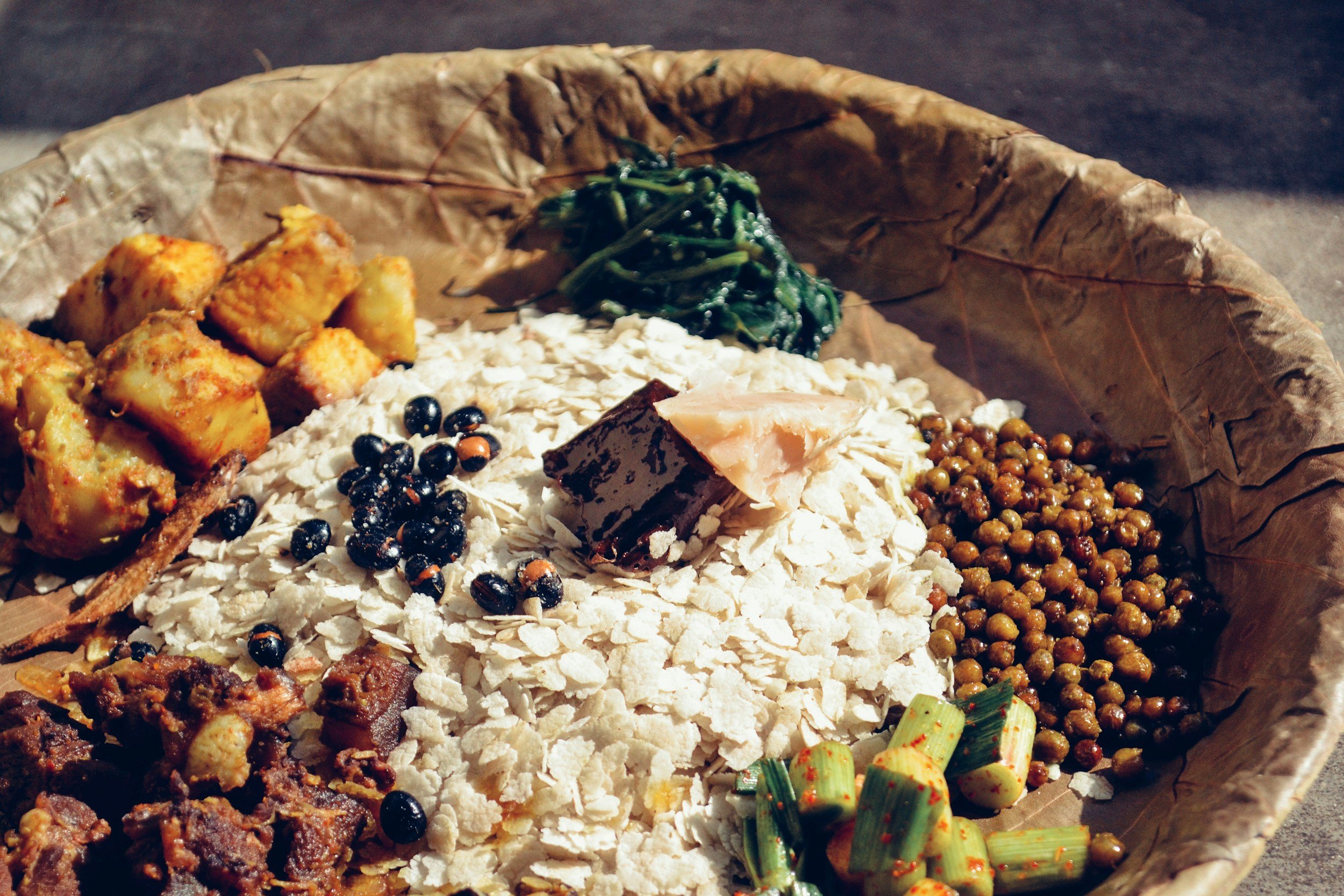
When you think about “healthy eating,” what comes to mind?
Maybe grilled chicken and broccoli. A smoothie for breakfast. A salad for lunch. Overnight oats. Or a meal plan filled with foods commonly promoted as “healthy.”
But what if those foods aren't part of your culture, your family traditions, or the foods you genuinely enjoy?
As a registered dietitian, I believe effective nutrition care should go beyond simply telling someone what foods to eat. Nutrition counseling should consider the whole person, including their culture, food traditions, preferences, lifestyle, environment, and relationship with food.
Incorporating different cuisines and cultural foods into nutrition care isn't just about making a diet more enjoyable. It can have meaningful benefits for diet adherence, satiety, gut health, sustainable weight management, and chronic disease management.
In other words, you shouldn't have to give up the foods that connect you to your culture in order to eat well.
What Is Culturally Responsive Nutrition Care?
Culturally responsive nutrition care means adapting nutrition recommendations to fit a person's cultural background, food traditions, values, preferences, and everyday life. Rather than starting with a rigid list of “good” and “bad” foods, a dietitian can start by asking:
What foods did you grow up eating?
What meals are important to your family?
What cuisines do you enjoy?
What foods make you feel satisfied?
What ingredients are readily available to you?
What does a typical meal look like in your household?
What foods have cultural or emotional significance?
What nutrition goals are you trying to achieve?
From there, nutrition goals can be incorporated into the foods you already know and love.
For example, someone who enjoys Mexican cuisine doesn't necessarily need to replace their meals with salads and grilled chicken. A dietitian might instead help them build more balanced tacos, enchiladas, bowls, soups, or other traditional meals by adjusting protein, fiber, vegetables, carbohydrates, fats, and portion sizes.
The same principle applies to Chinese, Korean, Japanese, Indian, Mediterranean, Middle Eastern, African, Caribbean, Latin American, European, and countless other cuisines.
There is no single cuisine that represents “healthy eating.”
Cultural Foods Can Create a Better Relationship With Food.
One of the biggest problems with restrictive nutrition advice is that it can make people feel like they are constantly failing. When a diet tells you that the foods you grew up eating are “unhealthy,” you may begin to associate those foods with guilt, shame, or loss of control. Over time, this can create an unhealthy relationship with food. A more personalized approach allows you to enjoy culturally meaningful foods while still working toward your health goals.
Instead of:
“I can't eat this anymore.”
The conversation becomes:
“How can we incorporate this food into your overall eating pattern in a way that supports your health?”
That difference matters. Food is not only a source of calories and nutrients. It can also represent family, identity, memories, celebrations, comfort, community, and connection. Removing those foods unnecessarily can make a nutrition plan feel disconnected from real life. A sustainable nutrition plan should allow room for pleasure and cultural connection, not just nutritional targets.
Enjoying Your Food Can Improve Diet Adherence and Satiety.
A nutrition plan can look perfect on paper and still fail in real life.
Why?
Because nutrition isn't only about knowing what to eat. You also have to want to eat it. If you dislike the meals on your meal plan, you may eventually stop following it—even if the plan is nutritionally balanced. Cultural foods can make healthy eating more satisfying because they incorporate familiar flavors, textures, ingredients, and cooking techniques.
Satisfaction matters. When a meal is satisfying, you are more likely to feel physically and psychologically nourished after eating it. This can make it easier to:
Stay consistent with meals
Feel satisfied after eating
Reduce unnecessary grazing
Avoid feeling deprived
Enjoy balanced portions
Follow nutrition recommendations without feeling restricted
For example, adding vegetables and lean protein to a familiar stir-fry may be much more satisfying than forcing yourself to eat a plain salad simply because you believe it is “healthier.” Likewise, incorporating beans, lentils, whole grains, herbs, spices, vegetables, fermented foods, or traditional protein sources into familiar meals can increase both nutritional quality and enjoyment. The best nutrition plan is often not the one that looks the healthiest on Instagram. It is the one you can actually enjoy and continue eating.
Cultural Nutrition Can Support Sustainable Weight Loss.
One of the most common mistakes in weight management is focusing exclusively on short-term restriction. A person may follow an extremely restrictive diet for several weeks, lose weight, and then return to their previous eating habits because the diet was never realistic for their lifestyle. This is one reason sustainable weight loss requires more than simply reducing calories. A successful long-term nutrition strategy needs to fit into your actual life. That includes birthdays, holidays, restaurants, family dinners, travel, cultural celebrations, and the foods you eat every week. When culturally familiar foods are incorporated into a nutrition plan, there is less need to maintain an artificial separation between “diet food” and “real food.” Instead, the goal becomes learning how to build balanced meals within the context of your normal eating pattern.
A dietitian may help you modify:
Cooking methods
Portion sizes
Fiber/Protein/Carbohydrate/Fat intakes
Meal timing
Snack choices
This allows you to work toward a calorie deficit when appropriate for weight loss without eliminating the foods that make your diet sustainable. The goal isn't to eat perfectly for three months. The goal is to develop an eating pattern you can realistically maintain for years.
Different Cuisines Can Support Better Gut Health.
Your gut microbiome is influenced by many factors, including the foods you eat. One benefit of eating a variety of cuisines is that different cuisines often include different types of vegetables, fruits, whole grains, legumes, nuts, seeds, herbs, spices, fermented foods, and other plant-based ingredients. Eating a wider variety of plant foods gives your gut microbes access to a greater variety of fibers and other beneficial compounds. Different types of fiber can support different groups of beneficial gut bacteria.
For example, prebiotics are types of food components that our bodies do not fully digest but that can be used as food by beneficial gut bacteria. Prebiotics naturally occur in many plant foods. Different foods provide different types of prebiotic fibers:
Inulin and fructooligosaccharides (FOS): found in foods such as garlic, onions, leeks, asparagus, artichokes, bananas, chicory root, and wheat. These fibers can help support beneficial bacteria such as Bifidobacterium and Lactobacillus.
Beta-glucan: found in whole grains such as oats and barley. It can support bacteria such as Prevotella and Roseburia and may increase the production of beneficial short-chain fatty acids.
Pectin: a type of fiber found in fruits such as apples and can support the growth of certain beneficial gut bacteria, including Bacteroides.
Different cultures also have long traditions of fermentation, producing foods such as kimchi, miso, kefir, sauerkraut, sourdough, and injera. Depending on the food and how it is prepared, fermented foods may provide beneficial microorganisms or compounds produced during fermentation.
This is one reason why eating a diverse range of plant foods can be a valuable part of a gut-friendly dietary pattern rather than relying on the same few foods every day. You don't need to eat every type of plant food at once. Instead, try gradually incorporating different fruits, vegetables, whole grains, legumes, nuts, seeds, herbs, spices, and fermented foods throughout the week.
However, more dietary variety is not automatically better for everyone. People with IBS, inflammatory bowel disease, food intolerances, or other gastrointestinal conditions may need to modify the types and amounts of foods they eat based on their individual symptoms and tolerance. This is where working with a dietitian can be particularly valuable. Rather than broadly labeling foods as “good for your gut” or “bad for your gut,” individualized nutrition care can consider your symptoms, diagnosis, food tolerance, overall dietary pattern, and nutritional needs.
Different Cuisines Offer Different Functional Nutrition Benefits.
Food can provide much more than calories, protein, carbohydrates, and fat.
Many traditional cuisines incorporate ingredients that contain naturally occurring compounds with potential physiological benefits. Cuisines around the world use herbs and spices not only to add flavor but also to provide a variety of beneficial bioactive compounds. For example, turmeric, a spice commonly used in South Asian, Southeast Asian, Middle Eastern, and Caribbean cuisines, contains curcumin, a compound that has been studied for its potential anti-inflammatory effects. Spearmint, widely used in Middle Eastern, Mediterranean, Indian, and Southeast Asian cuisines, has also been studied for its potential to help reduce elevated testosterone levels in women with PCOS/PMOS. By incorporating herbs and spices from different culinary traditions, we can add a wider variety of antioxidants and other bioactive compounds to our diets. Click here for our article on how to cook with mints.
A wider variety of fruits, vegetables, herbs, legumes, nuts, and seeds can increase the diversity of nutrients and phytochemicals in your diet. This is one reason I often encourage patients to think beyond individual “superfoods.” Your overall dietary pattern matters more than any single food.
Healthy Eating Doesn't Have to Look Western
There is a common misconception that healthy eating has a specific appearance.
A “healthy” breakfast doesn't have to be avocado toast.
A “healthy” lunch doesn't have to be a salad.
A “healthy” dinner doesn't have to be grilled chicken, brown rice, and broccoli.
Healthy meals can look completely different depending on the culture. For one person, breakfast might be millet congee with eggs and vegetables. For another, it could be lentil dal with roti. Someone else might enjoy a Mediterranean-style breakfast with yogurt, fruit, nuts, and whole grains. Another person may prefer beans, eggs, tortillas, salsa, and vegetables.
Nutrition is not one-size-fits-all.
What matters is whether the overall eating pattern provides the nutrients your body needs while fitting your health goals, preferences, culture, and lifestyle.
The Bottom Line: Nutrition Should Fit Your Life
The best nutrition plan isn't necessarily the most restrictive, trendy, or aesthetically pleasing.
It is the plan that:
Supports your health
Fits your culture
Tastes good
Keeps you satisfied
Works with your lifestyle
Supports your digestive health
Allows flexibility
Can be maintained long term
Your culture and favorite foods don't have to be obstacles to better health. They can be part of the solution.
At FIM Health, we believe personalized nutrition means meeting you where you are, not asking you to abandon the foods and traditions that make food meaningful.
If you're looking for a registered dietitian who can create a personalized nutrition plan around your cultural foods, health goals, and lifestyle, individualized nutrition counseling can help you build an eating pattern that is both evidence-based and realistic for your life.
Your food should nourish your body and still feel like your food.
Written by Tracy Guanlan Liu, R.D.
Registered Dietitian and Founder of FIM Health
Start with a simple first consultation
Meet one-on-one with a board-certified registered dietitian to talk through your goals, health history, and next steps—without pressure or commitment.
