Insulin Resistance: The Hidden Problem Your Bloodwork May Not Be Catching
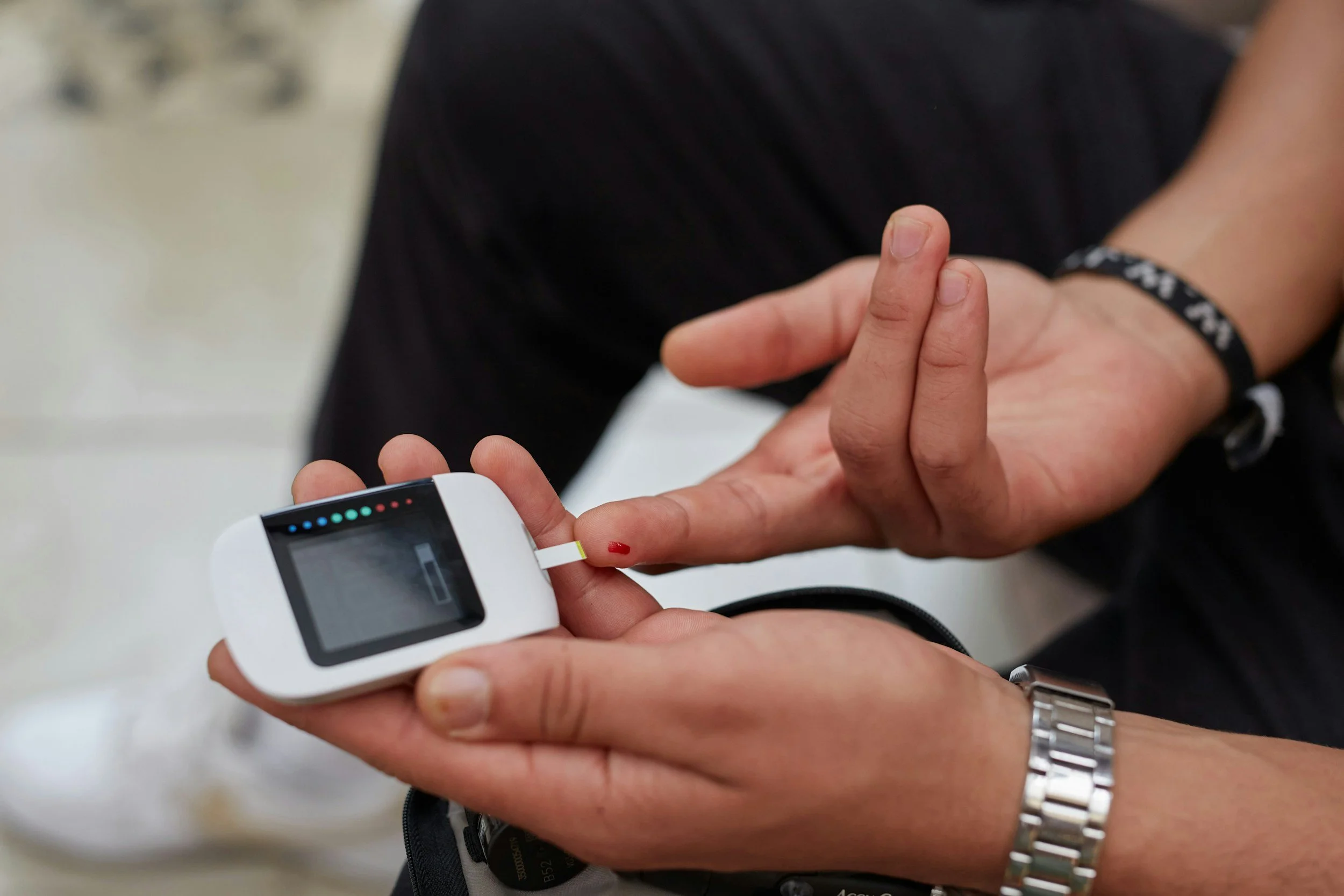
Have you ever been told that your blood sugar and A1C are “normal,” but you still struggle with weight, cravings, fatigue, or other metabolic concerns? You may be wondering: if everything looks normal, what’s going on?
The answer may be insulin resistance.
Insulin resistance is incredibly common and is closely linked to prediabetes, type 2 diabetes, fatty liver disease, central obesity, cardiovascular disease, and PCOS. But here’s the problem: you can develop insulin resistance for years before your blood sugar or A1C becomes abnormal.
The good news? Insulin resistance can often be improved, especially when it is recognized early.
So, What Exactly Is Insulin Resistance?
Insulin is a hormone produced by your pancreas that helps move glucose from your bloodstream into your cells to be used for energy. Think of insulin as a key that unlocks your cells and allows glucose to enter. When you develop insulin resistance, your cells become less responsive to insulin. Your pancreas then has to produce more and more insulin to get the same job done. For a while, your body can compensate. Your blood sugar may still look completely normal, but your body is working much harder behind the scenes to keep it that way. Eventually, the pancreas may not be able to keep up. Blood sugar starts rising, which can lead to prediabetes and eventually type 2 diabetes. And this process can take years.
Insulin resistance → higher insulin → rising blood sugar → prediabetes → diabetes
Why Your Routine Bloodwork May Not Tell the Whole Story
Here’s something I wish more people knew: A normal A1C does not necessarily mean you have optimal insulin sensitivity. During a typical annual physical, most people have their fasting glucose and/or A1C checked. These are important tests and absolutely have their place in healthcare. But they primarily tell us what your blood sugar is doing, not how hard your body is working to maintain it.
Imagine two people with the exact same blood sugar.
Person A only needs a small amount of insulin to maintain that blood sugar.
Person B needs significantly more insulin because their cells aren't responding as well.
Their glucose may look identical on a standard blood test, but their metabolic health may be very different.
This is why relying solely on glucose and A1C can sometimes mean we don't recognize metabolic dysfunction until it has progressed far enough to show up as prediabetes or diabetes. By then, insulin resistance may have been developing for years.
What Causes Insulin Resistance?
Insulin resistance isn't simply caused by eating too much sugar. It is much more complicated than that.
Your genetics, family history, physical activity, sleep, stress, hormones, medications, body composition, and overall dietary pattern can all play a role. And here's another important point:
Your body size does not tell us whether you are insulin resistant.
Someone in a larger body can have excellent metabolic health, while someone in a smaller body can have significant insulin resistance. That's why we need to look beyond the number on the scale.
Don't Wait Until You Have Prediabetes
Perhaps the most important thing I want you to take away is this:
You don't have to wait until your blood sugar becomes abnormal to start taking your metabolic health seriously.
A normal A1C is reassuring, but it doesn't necessarily tell the whole story. Your body may be compensating successfully today while insulin resistance is developing underneath the surface. And the earlier we recognize those changes, the more opportunity we have to do something about them.
Final Thoughts
If you suspect you have insulin resistance, or you've been diagnosed with PCOS, prediabetes, diabetes, or another metabolic condition, we'd love to help you take a deeper look at your metabolic health. Remember, prevention stops sickness before it starts.
Start with a simple first consultation
Meet one-on-one with a board-certified registered dietitian to talk through your goals, health history, and next steps—without pressure or commitment.
